
In response to:
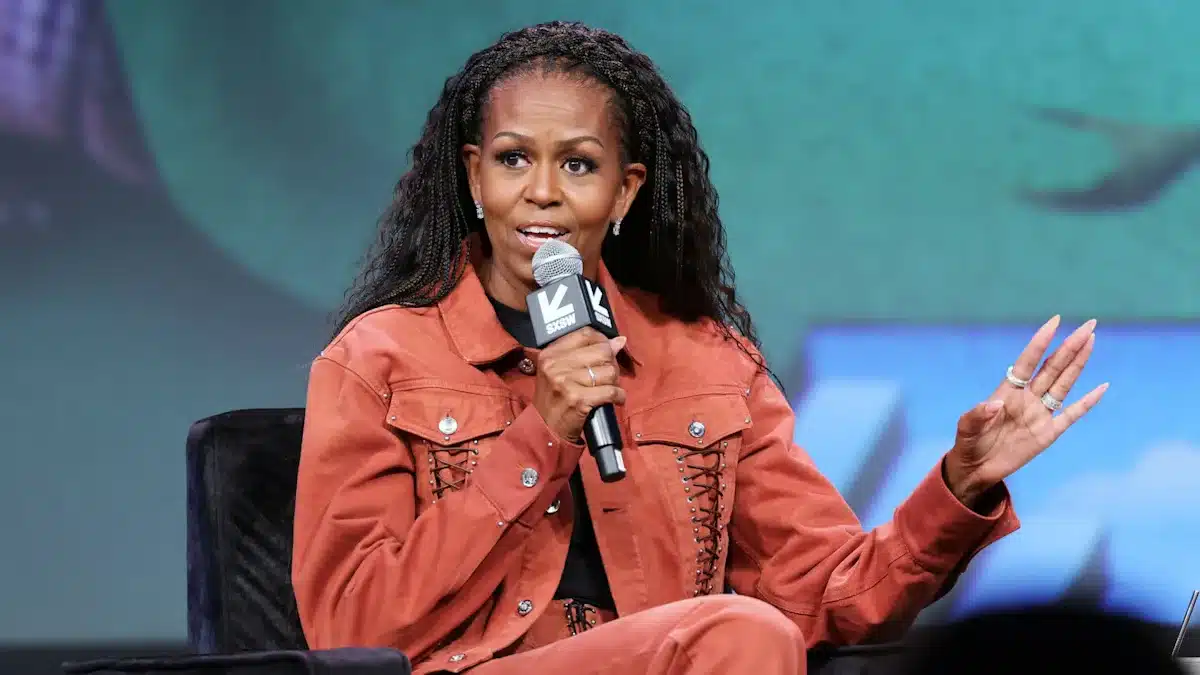
Michelle Obama Discusses White Men and Impostor Syndrome at SXSW London
Dear Michelle Obama, I am a huge fan (understatement).
Clear by my article, “Unpacking Michelle Obama’s Impostor Syndrome.”
So I was intrigued by this MSN article about you, which read:
“Speaking candidly during a live podcast event, she pulled back the curtain on elite power circles to address the persistent anxiety known as impostor syndrome.”
“She noted a stark divide in how this self-doubt manifests, boldly claiming that throughout her extensive journey through the world’s most powerful rooms, she has never once encountered a white man who admitted to feeling like an outsider.”
A Yahoo News article was more specific:
“There are so many people like me, like you: women, minorities, folks who aren’t supposed to be at these tables,” Obama told the audience, per The Guardian. “They are sitting around thinking that they’re impostors.”
She then delivered the line that quickly spread across social media and news headlines:
“I’ve never heard a white man talk about impostor syndrome. I haven’t met one.”
Again, I admire (ok, adore) you.
But as I sit here in Reykjavik about to speak on impostor syndrome at a conference of Scandinavian anesthesiology and intensive care physicians (a very racially homogeneous group), I must respectfully disagree on two points.
1) I agree that feeling like an outsider can undermine confidence and lead to impostor feelings.
Not just for women and people of color.
But for any group subjected to stereotypes about competence and intelligence based on age, disability, class, or language.
But while feeling like an outsider and impostor syndrome are related, they are not synonymous.
There are women and people of color in all-or-overwhelmingly female or same-race environments who still experience impostor syndrome.
More accurately, it describes the core belief that, despite evidence of our abilities and abilities, we’re not as intelligent or capable as others think we are.
2) I understand how in your position you might not hear a lot of White men confessing to impostor syndrome.
But I do.
I don’t mean men who’ve rebranded impostor syndrome as some sort of “superpower” (it’s not).
But rather those who experience impostor syndrome for the same familial, situational, occupational, sector culture, or in some cases, societal reasons, as others.
I’ve heard from them at workshops I’ve led for first-generation students at MIT, Cornell, and Yale.
And White men experiencing that same, “I’m in over my head and they’re going to find out” feeling, routinely attend my corporate talks.
So yes, societal realities make women, people of color, and other stereotyped groups more susceptible to impostor syndrome.
And you are right that Whites like myself do not experience the pressure to represent our entire racial group — regardless of gender.
But unfortunately, needless and costly impostor syndrome constitutes a wider tent than you might realize.